Digital twin building models: what they are and what they measure
A digital twin of a building is a model of that building connected to data measured inside it, such as room temperature, CO2 concentration, occupancy and energy use, so the model shows how the building is performing at any moment. Facility teams use it to run and maintain the building after handover.
What a building digital twin is made of
A twin joins a model to live data. The model holds spaces and equipment, usually inherited from the BIM model built during design and construction. The data comes from the building management system (BMS) and from meters and wireless sensors added alongside it. Most of the effort goes into the link: every sensor point has to be tied to a named room or asset.
That link is a common point of failure. The controls contractor names points its own way, such as 'AHU2-SAT' for an air handling unit's supply air temperature, while the architect numbers rooms by another system. When nobody reconciles the two, readings appear against the wrong room. Open metadata schemes such as Brick and Project Haystack exist to fix this.
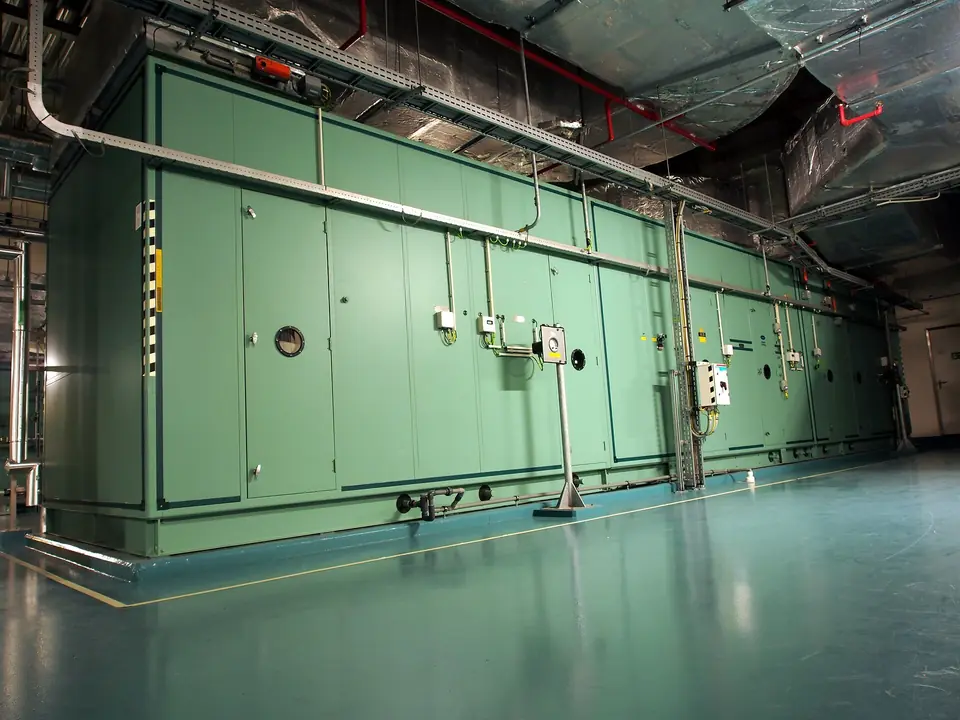
What sensors in a building measure
Most of that data comes from a few ordinary sensors, listed below, each with blind spots. A passive infrared (PIR) motion sensor detects movement, so a person reading quietly at a desk can look like an empty room. Many CO2 sensors correct their own drift by assuming the room drops to the outdoor level at some point over several days; in a space that is never empty, that correction pulls readings too low.
Meter data becomes useful next to a prediction. A design-stage energy model shows what the building was expected to use, and the twin shows where and when reality departs from it.
- Air temperature and relative humidity per room or zone
- CO2 concentration, a stand-in for how well a room is ventilated
- Occupancy from motion sensors, door counters, desk sensors or Wi-Fi connections
- Electricity, heat and water from sub-meters
- BMS points such as valve positions, fan status and alarms
How BIM data reaches facility management through COBie
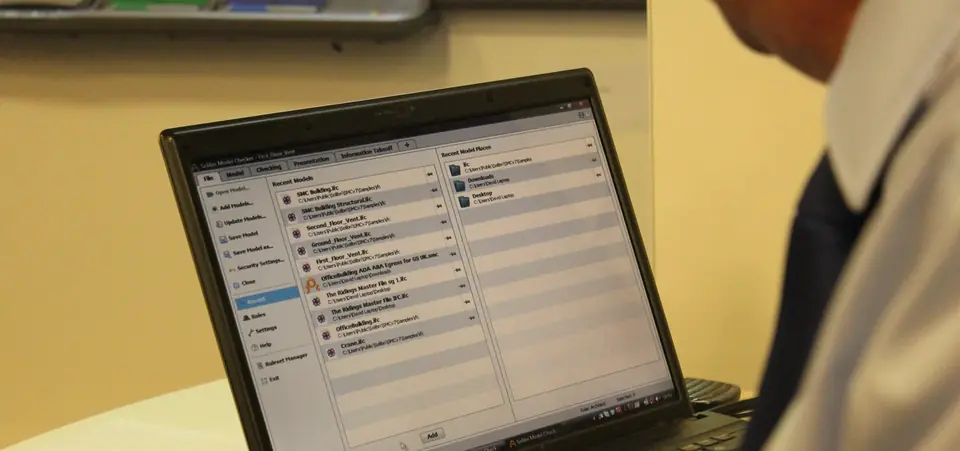
COBie (Construction Operations Building information exchange) is an agreed set of linked tables describing what a facilities team needs to know about spaces and equipment. Facility, floor and space sheets say where things are; type and component sheets say what is installed, with manufacturer, model number, serial number, installation date and warranty. The same content can travel as a spreadsheet or inside the open IFC schema.
In ISO 19650 terms, relevant information passes from the project information model to the asset information model at handover. A common failure is content: placeholder values such as 'TBC', and tag names that do not match the labels fixed to equipment on site, so a technician looking up a pump finds no record. Teams avoid it by agreeing the required fields early and checking exports at each stage.
What a city information model adds
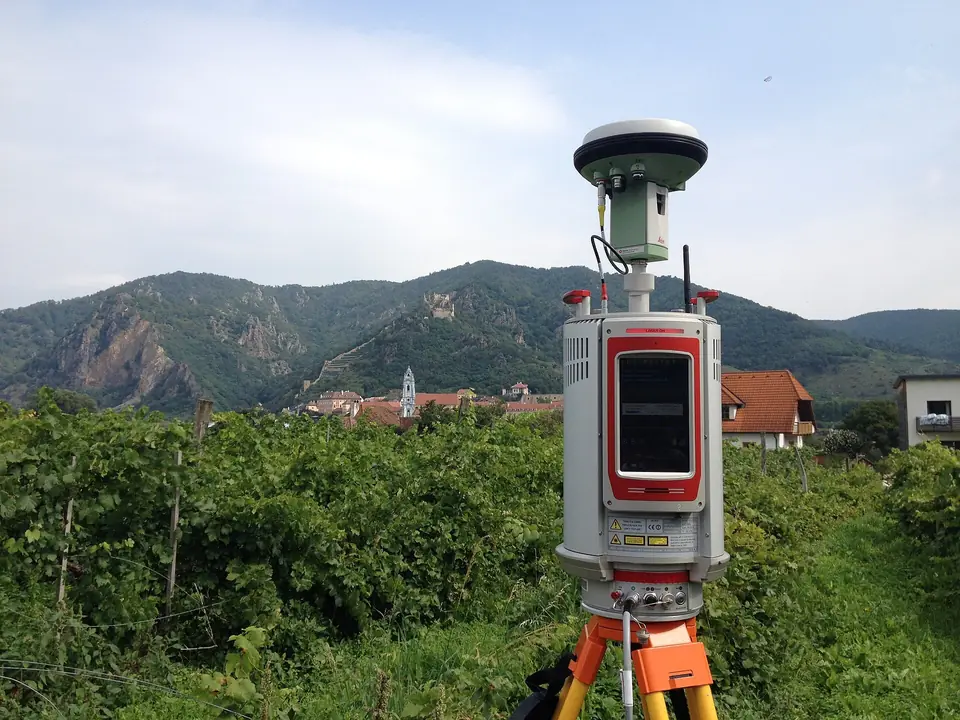
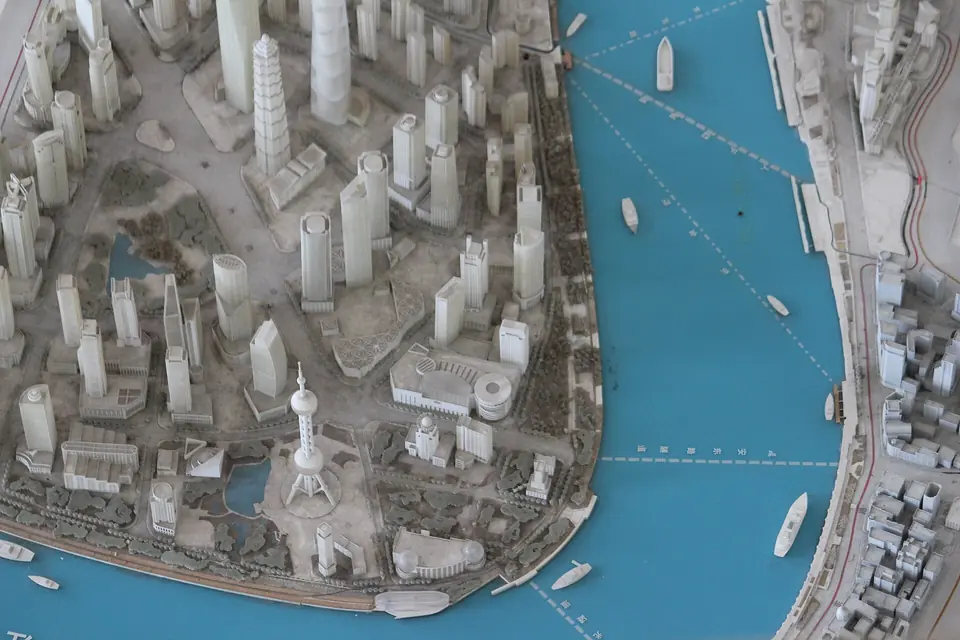
A city information model joins mapping data (GIS) with 3D buildings, terrain, streets and utility networks. Large areas are captured from the air by laser scanning or photogrammetry, the same methods used in surveys of single existing buildings.
CityGML, a widely used open standard, describes buildings at levels of detail (LOD): at LOD1 a building is a block of the right height, and at LOD2 it gains roof shapes. That suits estimating solar potential on roofs or noise along a street. City twins add live feeds such as traffic counts or river levels, and they depend on many owners agreeing to share data.
Worked exampleHanding over a three-storey office with a twin
Hypothetical project. A three-storey office with two air handling units and meeting rooms on every floor is nearing completion. The owner wants a digital twin building managers can use from the first day of occupation.
- 01
During design, the facilities team lists the assets it maintains: air handling units, fan coil units, pumps, fire dampers and lifts. Door handles stay out, which keeps the COBie export small enough to check.
- 02
The model is exported to COBie at each stage and checked for blanks. A fire damper with 'n/a' as its serial number is flagged while the installer is still on site.
- 03
The controls contractor and the modeller agree one naming scheme, so the point 'L2-MR03-CO2' attaches to space L2-MR03. At commissioning, someone breathes on each CO2 sensor and watches the right room react on screen.
- 04
A month after occupation, one meeting room shows CO2 climbing every afternoon while its air handling unit reports normal running. The cause is a manual balancing damper left shut after testing.
- 05
The contract names who updates the model when tenants move partitions, since an unrecorded wall leaves sensors attached to rooms that no longer exist.
Where it falls short
- Sensors drift, and battery-powered ones go silent when the battery runs out. A twin needs its own maintenance budget, or its readings go stale without anyone noticing.
- Occupancy data from Wi-Fi logs or cameras can identify people and falls under data protection law. Storing only counts per zone keeps the risk low.
- Data from different contractors arrives with its own names, units, sampling intervals and time stamps, and joining it takes ongoing work.
Key terms
- Digital shadow
- A model that receives live data from a building automatically, while any change to the building is still made by people. Some engineers keep the name digital twin for models where data also flows back automatically.
- Asset information model
- The information used to operate and maintain a built asset, in the language of ISO 19650. At handover it receives the relevant information from the project information model.
- COBie
- Construction Operations Building information exchange: linked tables listing spaces, equipment types, components, serial numbers and warranties for the facilities team.
- Sensor point
- One stream of measured or controlled values in a building automation system, such as a room temperature or a valve position, with its own name and address.
- Automatic baseline calibration
- A self-correction in many CO2 sensors that treats the lowest reading over several days as outdoor level. It misleads in rooms that are never empty.
- City information model
- A model of a district or city that combines mapping data, 3D buildings, terrain and networks, sometimes with live feeds such as traffic or air quality.
Questions
Is a BIM model already a digital twin?
No. A BIM model describes the building as designed or built and stays the same until someone edits it. It becomes part of a twin when live data from sensors and the building management system is linked to its spaces and equipment.
What does COBie stand for?
Construction Operations Building information exchange. It is a structured set of tables, often delivered as a spreadsheet, listing floors, spaces, equipment types, components and systems with data such as serial numbers and warranties.
Does a building digital twin need cameras?
Usually not. Most building twins rely on CO2, temperature, motion and energy data, which show how spaces are used without recording faces. Where people counting is needed, sensors that output only counts are easier to justify under data protection rules than video.